Window Installation in San Bernardino Earthquake Country: How Windows Hold Up
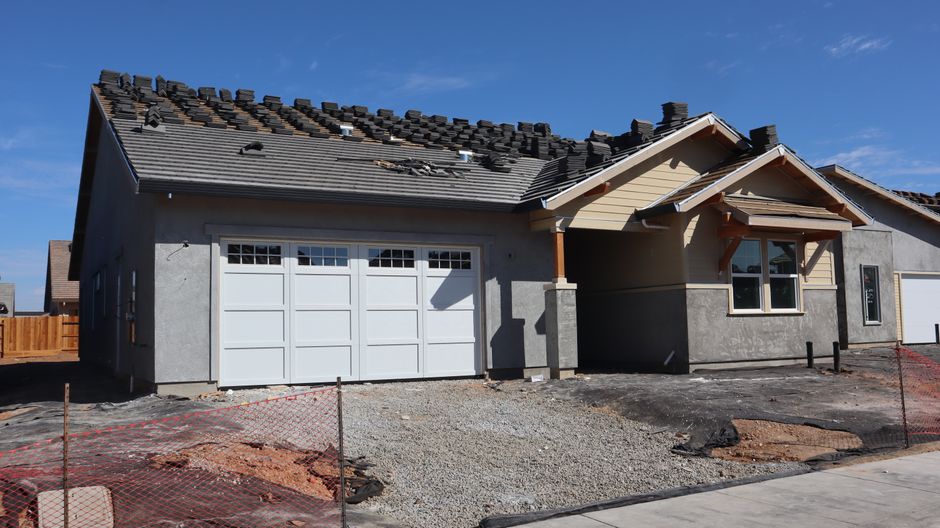
Windows in San Bernardino hold up best when the glass has room to move inside the frame and the frame has room to move inside the wall. Most earthquake glass damage is not caused by the glass shaking. It comes from the wall racking sideways, which squeezes the opening and pinches whatever is touching it. No window is earthquake proof, but good glazing and a forgiving installation make a real difference in what you find after the shaking stops.
What Actually Breaks a Window in a Quake
Racking of the opening
When a wall shifts sideways, a rectangular rough opening briefly becomes a parallelogram. The frame distorts with it. If the glass edge touches the frame at a corner, that contact becomes a point load, and point loads crack glass.
This is why the same shaking can break one pane and leave the next one untouched. The difference is usually how much clearance each pane had around its edges.
Flying objects
Furniture, shelves, and heavy decor break as many panes as frame distortion does. A tipped dresser or a swinging lamp does not care how well the window was installed. Keeping beds, seating, and top-heavy pieces away from large windows is a free part of window safety.
Why Edge Clearance and Setting Blocks Matter

Every pane needs a small gap between the glass edge and the frame on all sides. That gap lets the frame distort without pinching the glass. Glazing that has been jammed tight into a sash, often during a sloppy reglaze, loses that cushion.
Setting blocks are small supports under the bottom edge of the glass. They keep the glass off the metal or vinyl sill and centered in the frame. When blocks are missing, shifted, or crumbled, the glass edge sits directly on the frame. In older units this is a common hidden weak point, and nothing looks wrong until something moves.
The Older Windows Common in San Bernardino
Many mid century tract homes in San Bernardino still have their original single pane aluminum sliders with annealed glass. Annealed glass breaks into long, sharp shards, which makes it the least forgiving type when a pane lets go.
These windows are a reasonable early candidate for replacement or safety upgrades, especially the ones near beds, seating, and walkways. Large fixed picture windows and sliding glass doors deserve the first look. They carry the most glass over the longest spans, so they see the most racking.
Choosing Glass for Shaking
Tempered glass
Tempered glass is several times stronger than annealed glass of the same thickness. When it does break, it crumbles into small, blunt pieces instead of daggers. It is a strong choice for large panes, glass near doors, and low glass where people walk. It can still break, so it lowers risk rather than removing it.
Laminated glass
Laminated glass has a plastic interlayer that holds broken pieces in place. After a crack, the opening stays mostly closed. That suits bedrooms, stairwells, and second story windows above walkways, where falling glass is the main concern.
Safety film
Applied safety film can help hold broken annealed glass together, but only when the film is anchored to the frame. Film that stops at the glass edge can let a whole sheet of broken glass drop out as one piece. Film does not make glass shatterproof. It is a stopgap for existing windows, not a match for replacing them with better glass.
Dual pane units
A dual pane unit is only as resilient as its edge seal. Racking can stress the spacer and seal without any visible crack in the glass. Fogging or condensation between the panes in the months after a quake suggests the seal was compromised. Dual pane is a good choice for comfort and efficiency, but it should not be assumed stronger in an earthquake than single pane.
Installation Choices That Give Windows Room to Move
Shimming without over-tightening
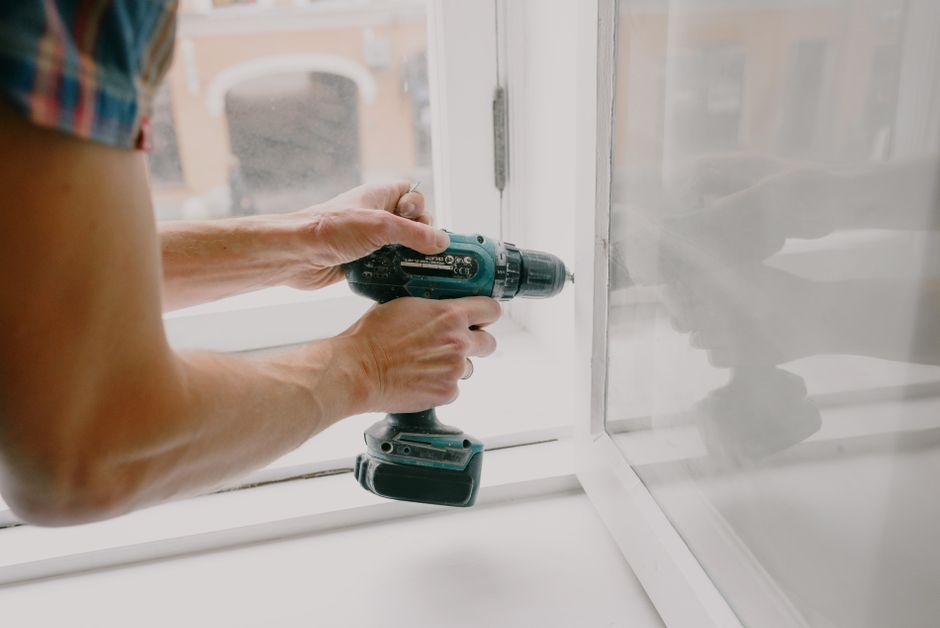
Shims should support the frame at the sill, at the head, and near the hardware points. They should not be driven so tight that they bow the frame. An overshimmed frame starts out stressed. It has less room to move before the sashes bind or the glass touches the frame.
Fastening where the manufacturer says
Fasteners belong where the manufacturer specifies. A window screwed rigidly through every available point is not stronger. An overfastened frame transfers more wall movement directly into the sash and glass, which is the opposite of what is wanted.
Foam and the interior air seal
Low expansion foam made for windows and doors is the right material for the interior air seal. General purpose expanding foam can bow jambs inward, so the sashes stick before any shaking happens.
A real movement joint outside
The perimeter joint between the window and the wall should work as a movement joint. That means a backer rod, then a flexible sealant tooled to an hourglass profile. A thin smear of rigid caulk tears at the first real movement and opens a path for water.
San Bernardino puts this joint to work all the time, not only in quakes. Hot summers and cool nights in the inland valley cycle frames through daily expansion and contraction. Along the foothills and the Cajon Pass corridor, strong, gusty Santa Ana winds add more movement. A joint that tolerates seismic movement also has to survive that constant thermal and wind load, which is another reason to skip rigid caulk.
A backup for water
A sill pan or sloped sill flashing sends any water that gets past a cracked sealant joint back out. After a quake opens small gaps around a frame, this hidden backup is what protects the framing below the sill.
Stucco and the Retrofit Question
Stucco is the dominant exterior finish here, and it is rigid. After shaking it typically cracks diagonally out from window corners, because stress concentrates there. A hairline at a corner is common. A wide or offset crack calls for a closer look at the framing and flashing. New windows will not stop stucco from cracking around the openings, and a hairline crack does not by itself prove structural damage or rule it out.
The retrofit method matters. An insert or flush fin retrofit leaves the old frame and stucco in place, so it cannot correct an opening that is out of square. A full frame replacement, with the stucco cut back, lets the installer check the opening for square and redo the flashing properly. If the old windows stick or show signs of racking, the second approach gives the opening a chance to be fixed instead of covered up.
Where Risk Runs Higher in San Bernardino
Homes on the north side of the city sit close to the San Andreas Fault along the foot of the San Bernardino Mountains. That includes Verdemont and the neighborhoods toward Cajon Pass. Owners there have more reason to favor tempered or laminated glass in large openings and to keep sealant joints in good condition, because strong shaking is a realistic expectation.
Homes farther south, including those around California State University, San Bernardino, are not far removed from the same fault system. The same habits apply anywhere in the city: pick safer glass for big openings, give the glass and frame room to move, and keep the exterior joint flexible.
Checking Windows After the Shaking
After any noticeable quake, go through every operable window and note:
- A sash that suddenly binds or will not lock
- New gaps at the meeting rails
- Glazing beads or gaskets pushed out of their tracks
- Diagonal cracks at the corners of the drywall or stucco
- Fogging between the panes in the following weeks
A sash that sticks after shaking usually means the opening has shifted out of square. Forcing it or planing it can hide a framing problem. Have the opening checked for square before adjusting any hardware.
Yearly Habits That Pay Off
Inspect the sealant around exterior windows once a year, and again after shaking. Look for joints that have pulled away from the stucco or the frame. Recaulking a failed joint before the winter rains is cheap protection against hidden sill rot.
Add a quick look at setting blocks and glazing on any window being reglazed. If a pane is going to be replaced anyway, that is the moment to switch to tempered or laminated glass in the spots where it counts most: large panes, low glass, and windows above beds and walkways.