Which Window Frame Material Handles Inland Heat Best
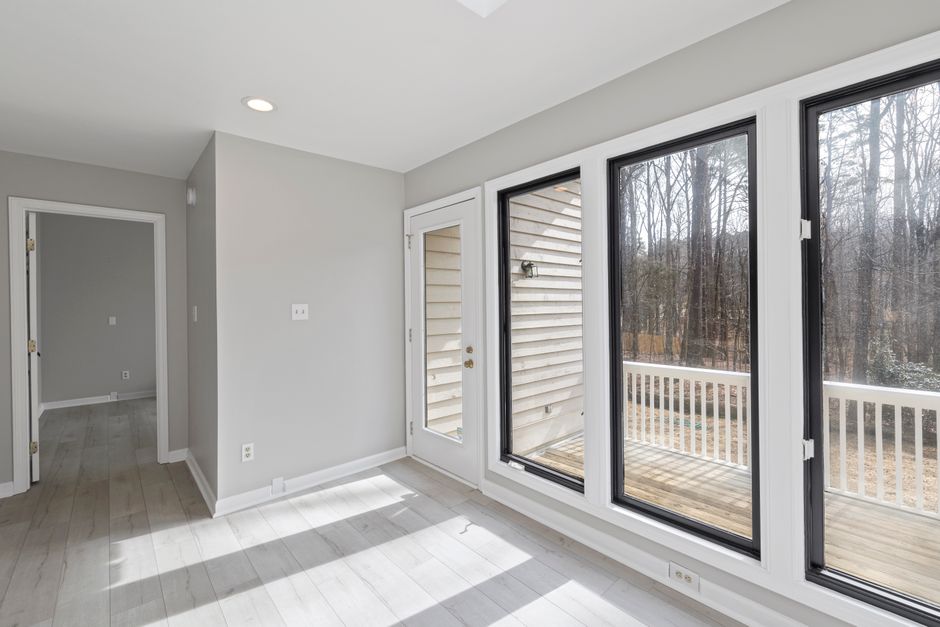
On a west wall in San Bernardino, CA, afternoon sun changes which frame material holds up. The running record that window installation san bernardino claudio corallo chocolate holds shows the same pattern on window replacement jobs from Muscoy to Redlands: the frame gets chosen after the exposure is read, not before. Each material below behaves differently once the sun has been on it for a few hours.
Vinyl and Its Movement
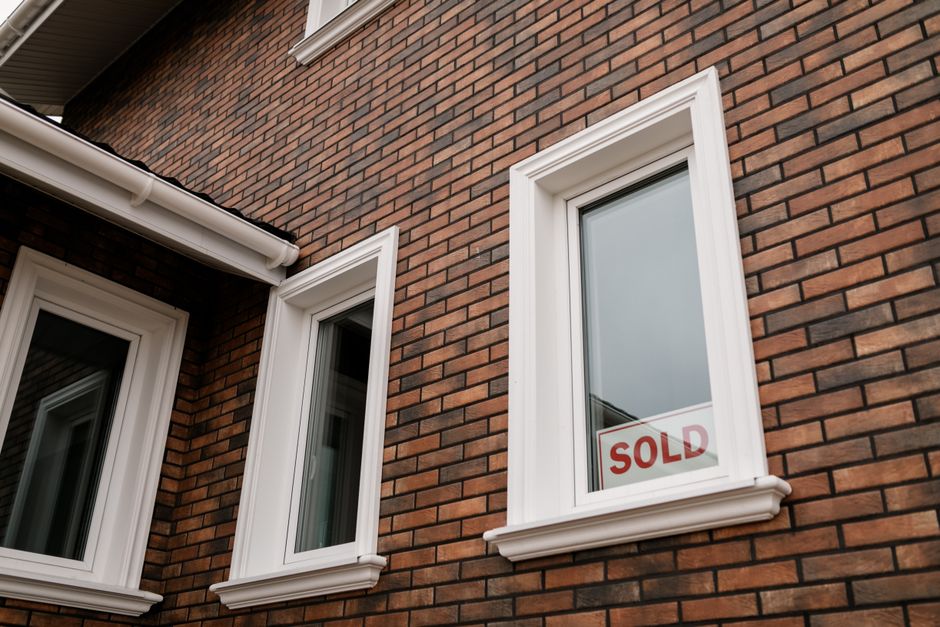
A vinyl window grows and shrinks with temperature more than aluminum, fiberglass, or wood does. That movement has to be planned for. The frame needs room in the opening, the fasteners must not pin it rigid, and the sealant joint has to flex. Dark colors take on more solar heat than light ones, so a dark vinyl window needs a formulation rated for dark finishes, or the frame can distort. Vinyl does not melt in summer sun, but a poorly chosen dark frame can bow.
Aluminum and the Thermal Break
Metal moves heat quickly. A basic aluminum window carries outdoor heat straight through to the inside face. Thermally broken frames split the inner and outer metal with a low conductivity barrier, which slows that transfer. Aluminum is not a wrong choice. Slim sightlines suit a large picture window or a long slider, and the break does the work the bare extrusion cannot. Check that the barrier is continuous through the frame, not just at the sill.
Fiberglass and Glass Moving Together
A fiberglass window expands at a rate close to that of glass. In the Inland Empire, where a wall can swing hard between a cold morning and a hot afternoon, that matters at the seals. The glass and the frame travel together, so the edge seal on insulated glass is not pulled apart every day. On a casement with a wide sash, this shows up in how long the weatherstripping stays tight.
Wood and Upkeep
A wood window insulates well and looks right in older neighborhoods near the old stretch of u s route 66. The cost is maintenance. Strong sun and low humidity dry exposed wood until it checks and cracks, so paint or sealer has to be renewed on a schedule, with the south and west faces first. Bare sill ends and the bottom rail of a double hung sash are where failure usually starts.
Reading the Label
The NFRC label gives U-factor, solar heat gain coefficient, and visible transmittance for the whole window, frame included. Frame material does shift the overall U-factor, but glass and spacer choices usually account for much of the thermal result. A double pane unit with a good spacer in a plain frame can outperform a premium frame with poor glass. Compare labels on the same window type and size, then pick the frame for how it handles the sun, the movement, and the upkeep on that particular wall in san bernardino county.