Why Do Windows Leak, Fog, or Stick After Installation
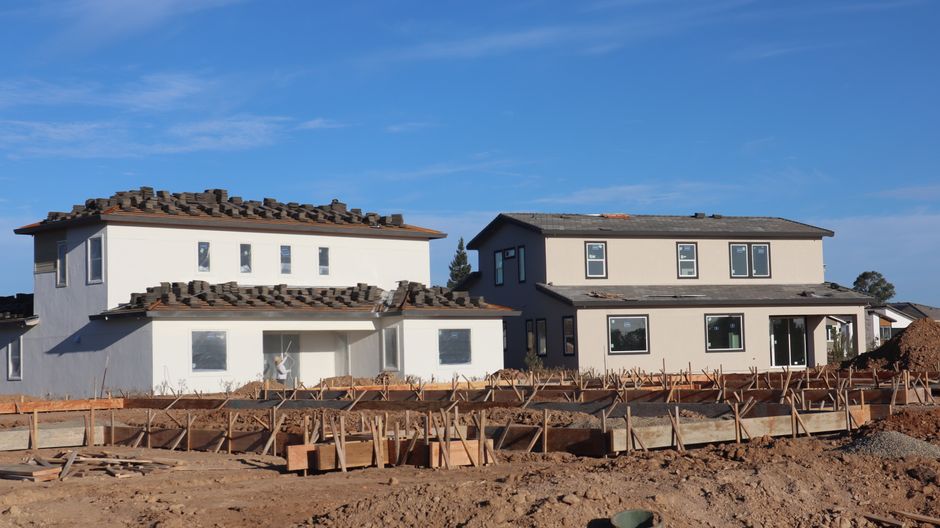
The sash is two hundred dollars to replace. The wall behind it, once the flashing has failed and the water has run for a few winters, costs several times that. Most window trouble in San Bernardino, CA starts at the opening and not at the glass, as the notes at window installation san bernardino claudio corallo chocolate describe. Diagnosis comes down to finding where the water, air or stress is actually entering.
Fog between the panes
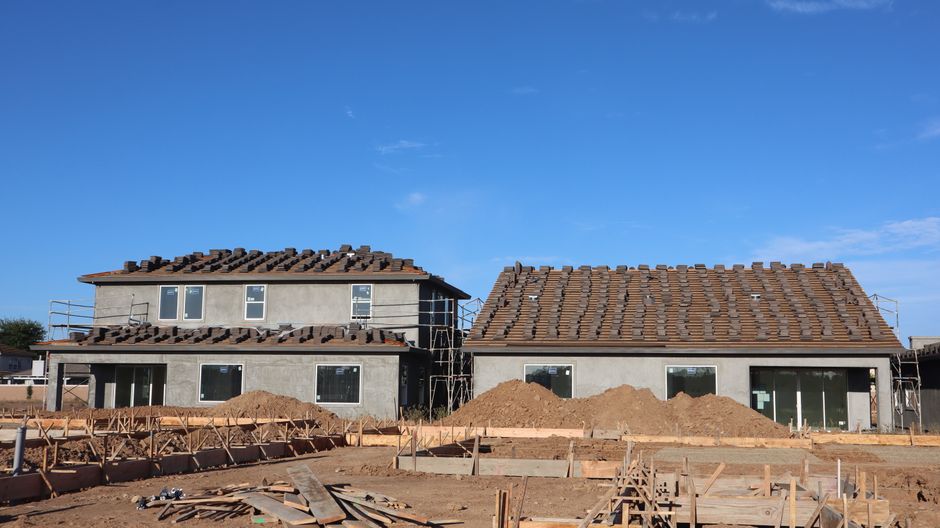
Moisture trapped between the layers of a double pane unit means the seal around the spacer has failed. Washing does nothing, because the film sits inside the sealed cavity. The fix is a new insulated glass unit, or a new sash if the glass is not sold separately. A vinyl window or an aluminum window with a failed unit is handled the same way. The frame is usually fine.
Leaks around the opening
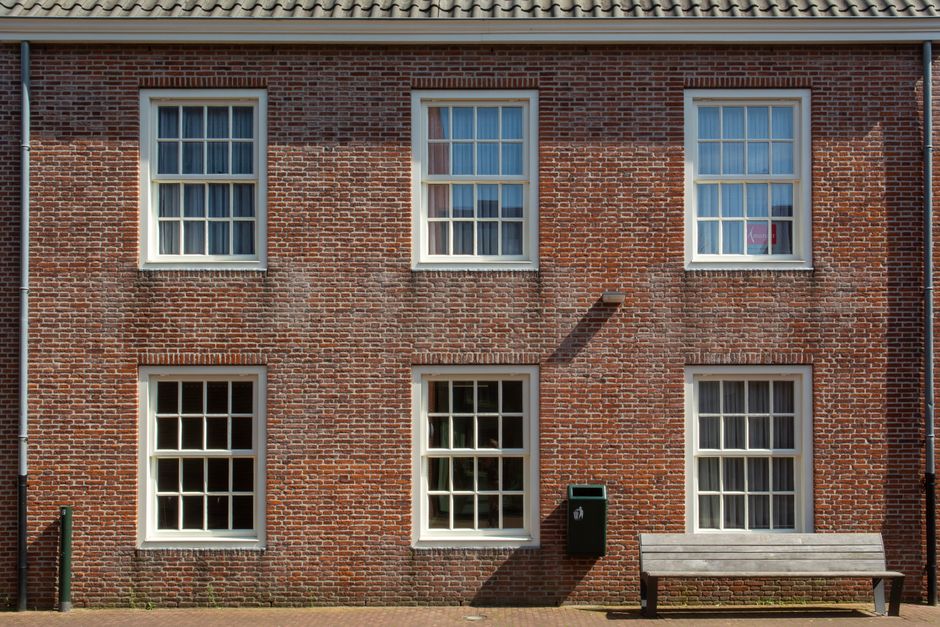
Many leaks come from missing or reversed flashing, not from the window unit. If the top flange sits under the wrong layer of building paper, water runs behind the frame and shows up at the sill or in the drywall below. Extra caulk does not cure that. It hides the entry point and traps water longer. Strip the trim, check the lap order from the sill up, and correct it.
Weep holes and track water
A slider or casement track has small weep holes that let rain drain outward. Dust and debris pack them solid, and the water backs up in the track and spills indoors. It looks like a leak but is a drainage failure. Clear the holes with a probe and a shop vacuum, then pour a cup of water down the track to confirm it exits. Dusty areas such as Muscoy clog them faster.
Sticking sashes and locks that will not catch
A double hung that binds, or a latch that misses its keeper, usually points to a frame out of square. Overdriven screws bow the jamb inward. Too much expanding foam does the same thing from behind. Back off the screws near the binding point and check the diagonals of the frame. If the two measurements differ by more than an eighth of an inch, the unit needs to be reset.
Condensation, cracks and ground movement
Water beading on the room side of the glass is indoor humidity meeting cool glass. It is not a defect, and it eases with ventilation. Cracks that start at the edge and run in a curve often come from thermal stress, where sun heats part of the pane while a shaded strip stays cold. Deep eaves and shade lines near Redlands and Loma Linda cause this often. Movement along the San Andreas Fault can also rack walls and openings, so sashes bind after a shake. Check the frame for square before blaming the hardware.